

Climate Impact of Food
The journey of food from field to plate consists of many stages, and each of them has an impact on the product’s climate footprint. The climate impact of food refers to the greenhouse gas emissions generated throughout a product’s life cycle, from cultivation and production all the way to transport, processing, packaging and preparation in the home kitchen.
In Finland, food accounts for around one fifth of households’ climate impact.* What we eat affects the environment in many ways. According to the Finnish nutrition recommendations, diet has a significant impact on both the climate and biodiversity. Furthermore, the recommendations** indicate that a more plant-based diet can reduce the climate impact of eating by more than one third.
What causes a product’s climate impact?
The climate impact of food is often assessed using the carbon footprint, which describes the amount of greenhouse gas emissions generated at different stages of a product’s life cycle. A key role is played by the cultivation of raw materials, but the overall impact is also influenced by processing, packaging materials and transport.
In many cases, the majority of the impact arises already in primary production. In cultivation, emissions are generated, for example, from soil emissions, the use of fertilisers, fuel consumption, and the production of inputs such as fertilisers. In addition, energy use during processing has a significant impact on the product’s overall footprint. The manufacture of packaging materials and logistics also contribute to the total impact.
Apetit assesses the climate impact of its products using the carbon footprint. This makes it possible to identify which factors have the greatest impact on a product’s climate footprint and where actions should be focused.
This is how the climate impact of food is distributed:

The climate impact of vegetables, and root vegetables in particular, is generally relatively low. However, the share of primary production in the overall impact can vary significantly depending on the product, as it is influenced by the raw materials used and how they are cultivated. Vegetables are, as a rule, low-carbon raw materials, meaning that other factors such as processing, transport and storage are more prominent in the product’s overall climate impact. Conversely, for example in rapeseed and canola oil, cultivation accounts for a large share of the product’s climate impact. Although approximately 90 per cent of the raw materials used by Apetit are plant-based, raw material production still accounts for the largest share of the company’s greenhouse gas emissions. This highlights the importance of primary production in the climate impact of the entire food chain.
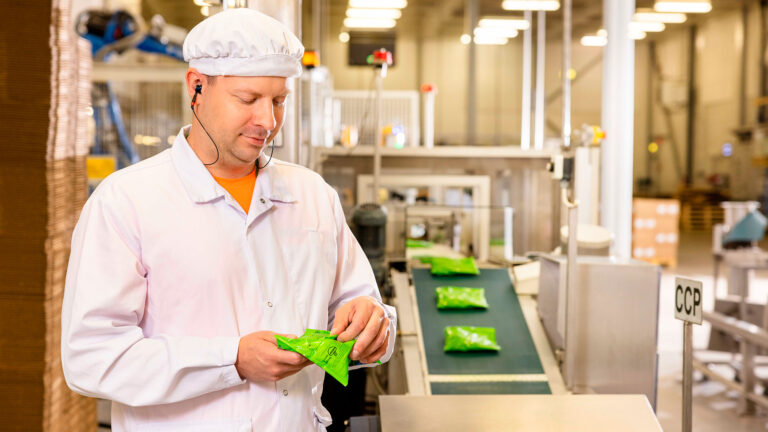
The climate impact of production is primarily linked to the energy used in processing food products. In the production of frozen foods, energy is required for tasks such as washing and cutting vegetables, preparing food, freezing and packaging. At the vegetable oil milling plant, energy is primarily consumed in pressing vegetable oils. Apetit uses renewable wind power in its production and has in recent years made significant investments in improving energy efficiency, heat recovery and increasing the share of renewable energy in steam production. Overall, however, the share of energy use in a product’s carbon footprint remains relatively small. Energy use accounts for approximately two per cent of Apetit’s total emissions. Nevertheless, the share of production in the carbon footprint of individual products may vary considerably.

Packaging and logistics are part of a product’s overall climate impact. Packaging protects the product and helps preserve its quality throughout its life cycle, while logistics covers the transport and storage of both raw materials and finished products. The climate impact of packaging and transport varies by product, for example depending on the packaging materials used and transport distances. Overall, however, the climate impact of packaging materials and logistics is relatively small. We continuously develop our packaging solutions. Apetit has reduced the share of plastic in the packaging materials used for its oil bottles, and all materials used in Apetit’s product packaging are recyclable. At the same time, the aim is to ensure that packaging protects products as effectively as possible and supports their shelf life and convenience in everyday use.
Reducing food waste
Reducing food waste is one of the most concrete ways to decrease the climate impact of food. When food is wasted, all the resources used to produce it are also lost.
Like other EU countries, Finland has committed to halving food waste by 2030. Food waste is generated across all parts of the food system – in households, restaurants and retail, as well as in industry and primary production. Achieving this target requires significant efforts from all actors in the food chain.
Freezing is one way to extend the shelf life of food. Frozen products often keep for a long time without significant changes in quality, and they can be used in the right quantities as needed. This can help reduce waste in the home kitchen.
Apetit is committed to setting science‑based (SBTi) climate targets
Apetit aims to reduce the climate impact of its operations and products. We are in the process of setting science‑based emission reduction targets (SBTi). This means that our targets are based on climate science and take into account emission reductions across the entire value chain. As part of this process, we review and develop our operations across the full product value chain.
We work together with growers and other partners to reduce the climate and environmental impacts of cultivation. In addition, we explore opportunities for carbon sequestration in primary production. The aim is to strengthen the ability of agricultural soils to sequester carbon while also supporting soil health. In particular, developing cultivation practices can have a significant impact on the climate footprint of the entire production chain.
*Sustainable health from food – National Nutrition Recommendations 2024
**Climate guide – Finnish households have significant opportunities to reduce emissions (in Finnish)