


Environmental Impact
Climate
The greenhouse gas emissions of Apetit’s own operations are mainly caused by the energy used by production plants. Apetit has systematically reduced the emissions of its own operations by investing in the use of renewable energy.
Water consumption
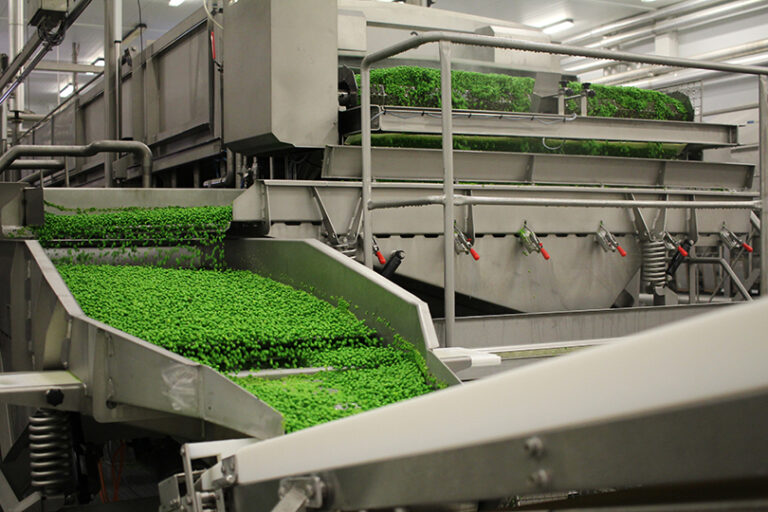
Apetit Group’s production plants use household water, lake water and sea water. Household water is used in at production plants, for example, to wash production equipment. Freshwater consumption is the highest at the Säkylä frozen foods plant, where water is used particularly for processing harvest season vegetables. The Bjuv factory also uses a significant amount of water during harvest season production. Sea water is used at the Kantvik vegetable oil milling plant for process cooling purposes. Water used for processing vegetables goes to the wastewater treatment plant for processing. All of Apetit Group’s production facilities are in Finland and in Sweden in location that are not classified as areas where water is scarce.

Material efficiency
The Säkylä frozen foods plant applies the principle of continuous improvement and aims to, reduce the amount of side streams that would be suitable for food use. The side streams from production are utilized for example in production of Kotimainen crushed peas and Säkylän Kasvispyörykkä vegetable ball. In Pudasjärvi, efforts have also been made to reduce waste by better monitoring of waste and by developing the pizza dough, conveyors and cooling capacity. In Kantvik vegetable oil milling plant the largest by‑product, i.e. the straw waste that comes with oilseeds, can be fully utilised in production at the bioenergy plant.

Energy
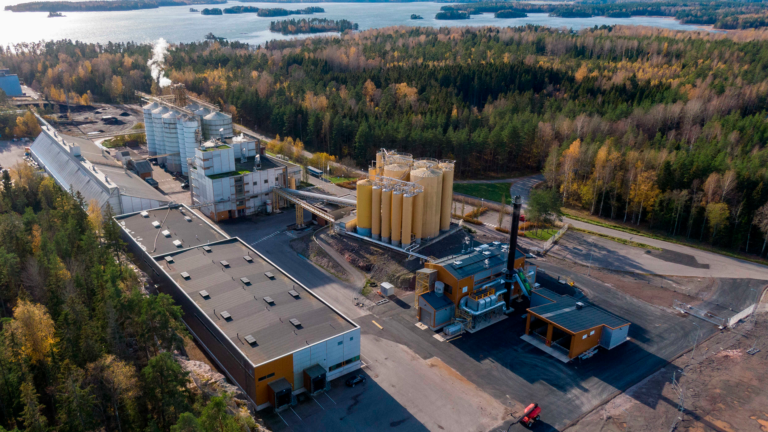
During the last years Apetit has significantly increased the use of renewable energy sources in its production activities. All electricity used in Apetit’s factories in Finland has been produced by wind power. The Kantvik vegetable oil milling plant has its own bioenergy plant and at the Säkylä plant there is an energy solution based on heat recovery. The Kantvik oil milling plant has increased the use of industrial side streams and introduced oat husk pellets in the production of steam. Apetit is commited in the Energy Efficiency Agreement system to reduce energy consumption by 13.5 per cent in 2023–2035.
Climate targets
Apetit’s climate target was to reduce its own emissions (Scopes 1 and 2) by 75% by 2025 compared to the 2019 baseline year. The target was clearly exceeded, with total emissions decreasing by 80%. Apetit’s climate work continues, and Apetit is committed to setting science‑based emission reduction targets. The new targets will expand the scope of climate action to cover emissions from both Apetit’s own operations and the entire value chain.
Wastewater treatment
All water used by Apetit is treated before being discharged into water bodies, either at a wastewater treatment plant or by being directed to the municipal sewer network. The exception is seawater used for cooling, which is discharged back to the sea as such. Process wastewater from Kantvik and Bjuv is treated at a wastewater treatment plant operated by an external service provider, while in Säkylä it is treated at a treatment plant owned by Apetit.